

Beyond Early Intervention – Lifelong Growth for Autistic Children
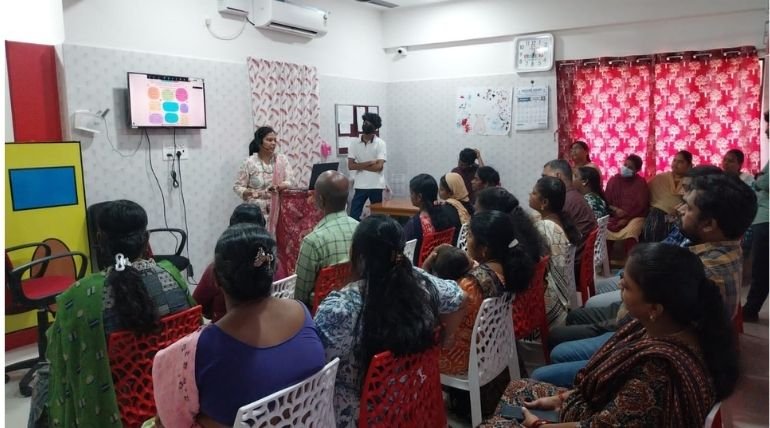
When many parents hear early intervention, they think of it as the “golden window” the time when all the progress must happen. But at a recent guest session hosted at Light CDC, Dr.Krishna Mahathi Gudapati, an expert in autism support, reminded us that autism is lifelong, and so is the capacity for growth.
She emphasized that while early intervention provides a strong foundation, a child’s development doesn’t stop at age five. In fact, new skills, challenges, and opportunities emerge at every stage of life. The focus should be on adapting support to meet evolving needs, rather than seeing intervention as something with an expiry date.
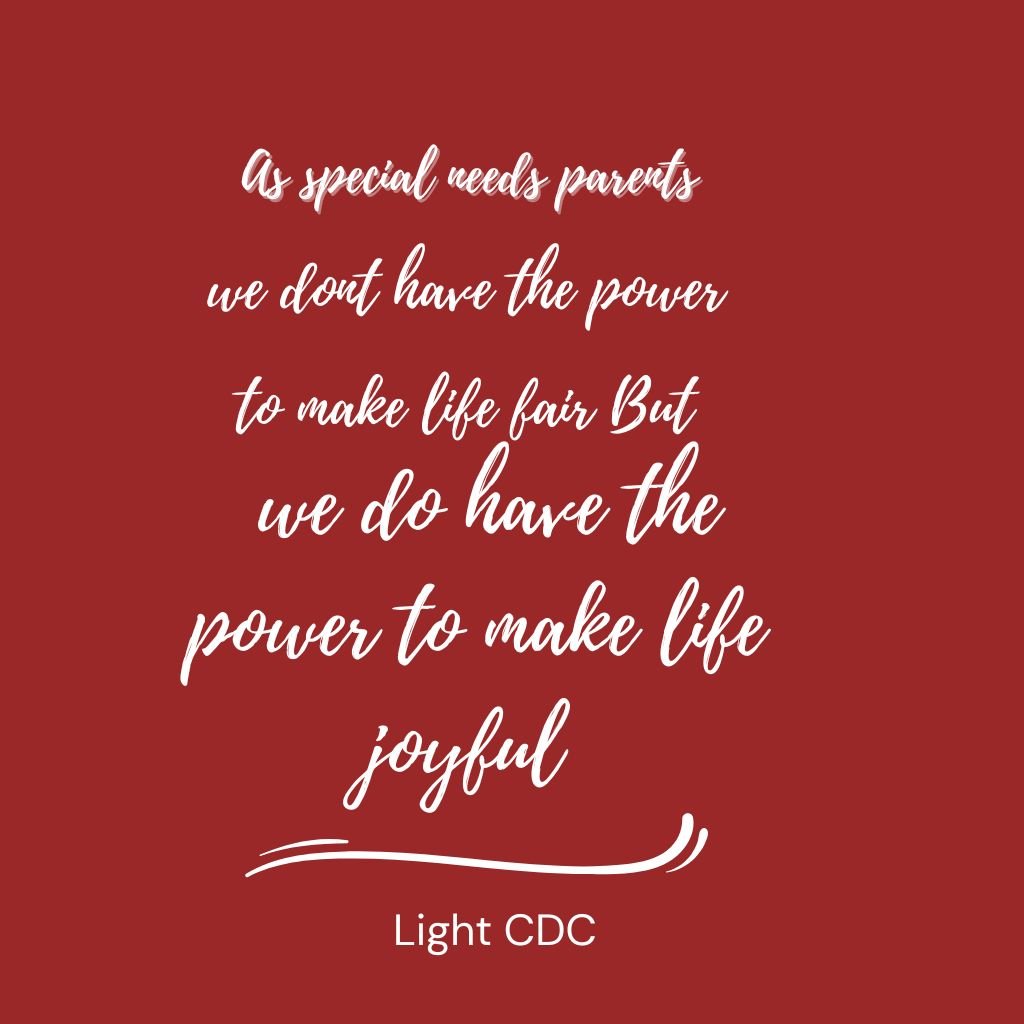
“We can’t make life fair, but we can make it joyful.”-Dr.Krishna Mahathi Gudapati [Pediatrician and RDI Consultant,Hull,United Kingdom]
The Joy of Lifelong Learning
The speaker shared how learning for autistic children must be ongoing and flexible, moving beyond therapy rooms into everyday environments. Skills learned at one stage should be built upon and adjusted as the child matures.
She encouraged parents to see lifelong learning as a way of creating real-life experiences , moments that help children develop independence, emotional resilience, and stronger relationships.
Presuming Competence – A Parent’s Most Powerful Mindset
One of the most inspiring parts of the session was the discussion on presuming competence. This means believing in a child’s ability to think, learn, and understand even if they communicate differently.
The speaker urged parents to:
- Trust in their child’s potential.
- Give opportunities to participate in meaningful decision-making.
- Avoid underestimating abilities based on visible challenges.
By presuming competence, she explained, parents create an environment where growth feels possible and encouraged.
Co-Regulation – The Foundation for Independence
Another key theme was co-regulation , the process of helping children manage emotions and behavior with support. According to the speaker, it rests on three pillars:
- Warm Relationship – Building trust and emotional safety.
- Structure & Limits – Creating predictable, supportive boundaries.
- Self-Regulation Skills – Teaching children how to manage feelings and reactions over time.
With these in place, children can gradually move toward self-regulation and greater independence.
Light CDC – Learning Together with Families
Sessions like this are a big part of Light CDC’s mission to empower parents. By bringing in experts to share their experience and strategies, we aim to give families not just information, but practical tools they can use every day.
Visit or contact Light CDC(7550295110) to learn about our programs, therapies, and workshops. Speak with our team and discover approaches that can help you create meaningful growth opportunities at every stage.
This blog is part of a series based on insights shared by our recent guest speaker at Light CDC. We’ll be covering more of her valuable guidance in upcoming blogs — so stay tuned.