

From Play to Real Life – Building Skills for Independence and Communication
When children are young, play is often the first bridge to learning. Through games, toys, and playful interactions, they develop essential skills. But as they grow, the question becomes: How do we take what they’ve learned in therapy or structured play and make it work in everyday life?
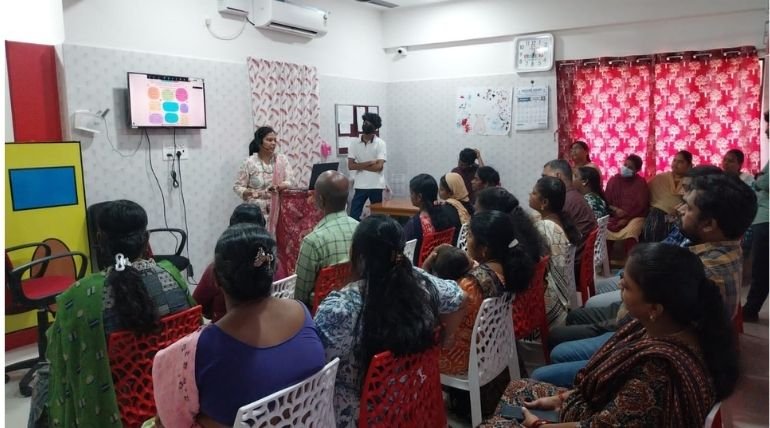
This very question was at the heart of a recent guest session at Light CDC, led by Dr.Krishna Mahathi Gudapati [Pediatrician and RDI Consultant,Hull,United Kingdom], who shared practical insights for parents on helping autistic children transfer skills from playrooms to real-world situations.
Why Moving Beyond Play Matters
The speaker shared how learning for autistic children must be ongoing and flexible, moving beyond therapy rooms into everyday environments. Skills learned at one stage should be built upon and adjusted as the child matures.
She encouraged parents to see lifelong learning as a way of creating real-life experiences , moments that help children develop independence, emotional resilience, and stronger relationships.
Real-Life Opportunities for Learning
Everyday life is full of learning moments if we know where to look.
Some examples the speaker shared:
- Grocery Shopping – Practicing communication by asking for items, learning sequencing by following a shopping list.
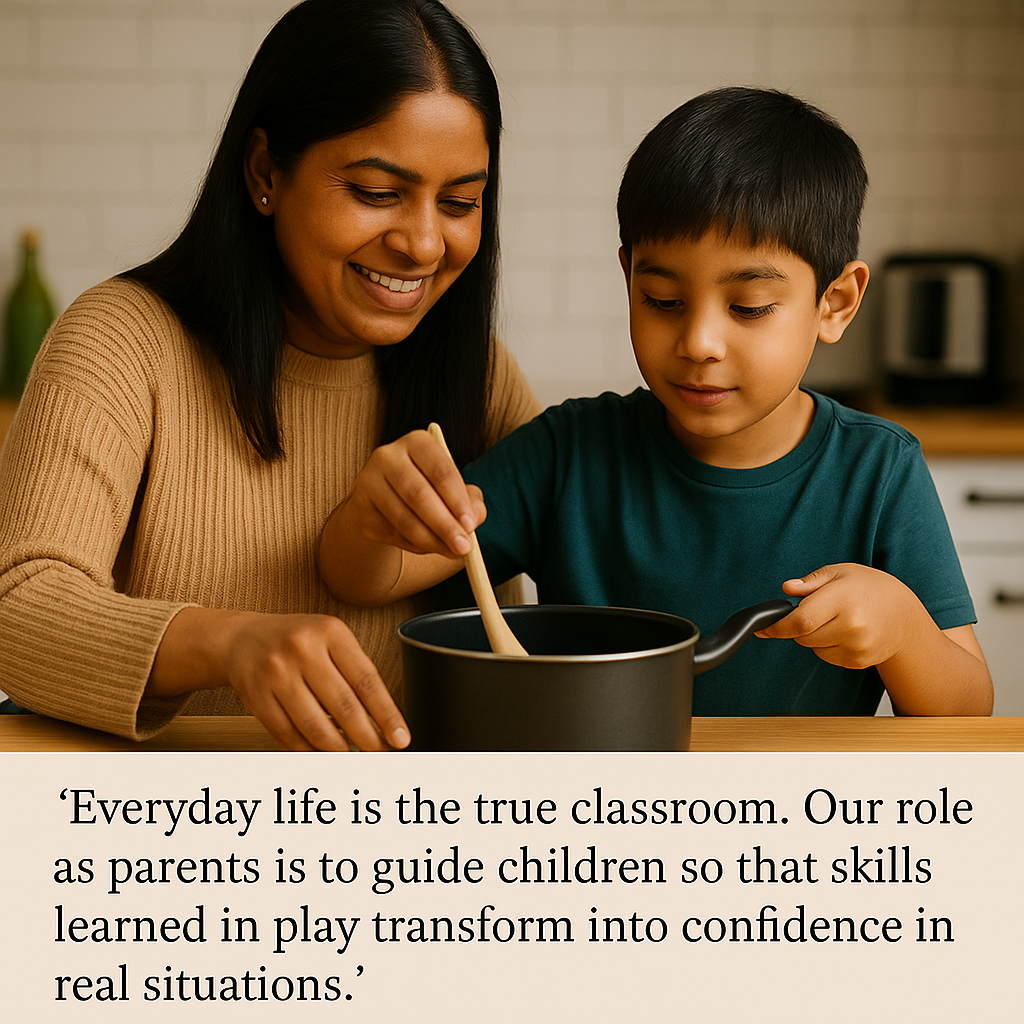
- Cooking Together – Working on motor skills, following instructions, and turn-taking.
- Family Outings – Navigating social situations, waiting for turns, and adjusting to changes.
These moments build confidence and adaptability , skills that will serve children well in school, community activities, and eventually, independent living.
The RDI Approach – Steps to Independent Thinking
The guest speaker introduced the Relationship Development Intervention (RDI) framework, which focuses on developing what’s called Dynamic Intelligence — the ability to think flexibly, problem-solve, and adapt to change.
The process includes:
- Readiness for Learning – Creating the right environment and mindset.
- Engagement – Building connection and shared attention.
- Growth Seeking – Encouraging curiosity and small challenges.
- Dynamic Intelligence Foundations – Introducing flexibility in thought and action.
- Internalizing – Taking learned strategies and using them without prompts.
- Self-Guiding – Becoming independent in decision-making.
The key? Parents act as guides, not just observers, helping their child take small, manageable steps toward independence.
Overcoming Communication Barriers
Many autistic children face challenges in:
- Emotional Referencing – Reading others’ feelings and reactions.
- Coordinated Actions – Synchronizing actions with another person.
- Declarative Language – Sharing experiences or information without expecting a direct response.
- Flexible Thinking – Changing plans or adapting to new ideas.
The session stressed practicing declarative communication — statements that invite thinking, not just quick answers. For example, instead of asking “What colour is this?”, you might say, “I wonder what would happen if we mix these two colours.”
This shift encourages conversation, creativity, and connection.
Prompting vs Scaffolding
One of the most valuable takeaways was the difference between prompting (telling the child exactly what to do) and scaffolding (providing just enough support for the child to figure it out).
Scaffolding fosters independence because it gives children space to think, decide, and take action while knowing a supportive adult is nearby if needed.
Light CDC – Learning Together with Families
Sessions like this are a big part of Light CDC’s mission to empower parents. By bringing in experts to share their experience and strategies, we aim to give families not just information, but practical tools they can use every day.
Visit or contact Light CDC(7550295110) to learn about our programs, therapies, and workshops. Speak with our team and discover approaches that can help you create meaningful growth opportunities at every stage.
This blog is part of a series based on insights shared by our recent guest speaker at Light CDC. We’ll be covering more of her valuable guidance in upcoming blogs — so stay tuned.